Wood Decay Removal in Denver County, CO
Wood decay removal services focus on identifying and eliminating areas of compromised or rotting wood in residential properties. This service typically covers projects such as treating damaged fascia boards, soffits, decks, fences, and porch structures, as well as addressing wood that has been affected by moisture, fungi, or pests. Property owners usually seek this service to preserve the integrity of their structures, prevent further deterioration, and maintain the safety and appearance of their homes.
Before requesting wood decay removal, homeowners often want to understand the extent of the damage, the methods used for removal and treatment, and whether affected wood needs to be replaced or can be salvaged. It’s also helpful to know about the causes of decay, such as moisture intrusion, to prevent future issues. Proper assessment and professional advice can ensure that the necessary repairs are effective and that the property remains structurally sound.
Many property owners in Denver County, CO look into Wood Decay Removal for repairs, replacements, upgrades, and appearance-related improvements.
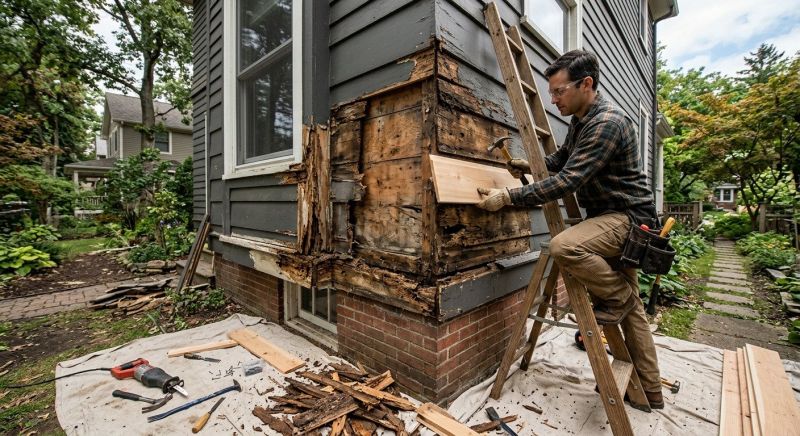
Signs Of Wood Decay
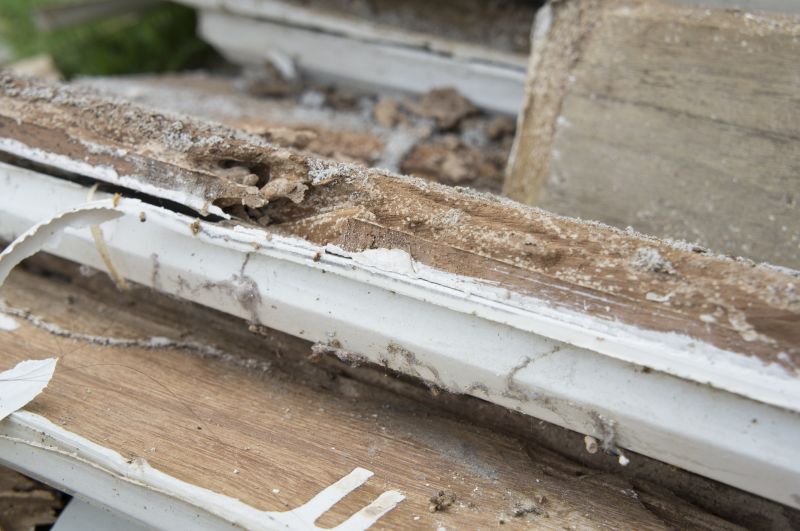
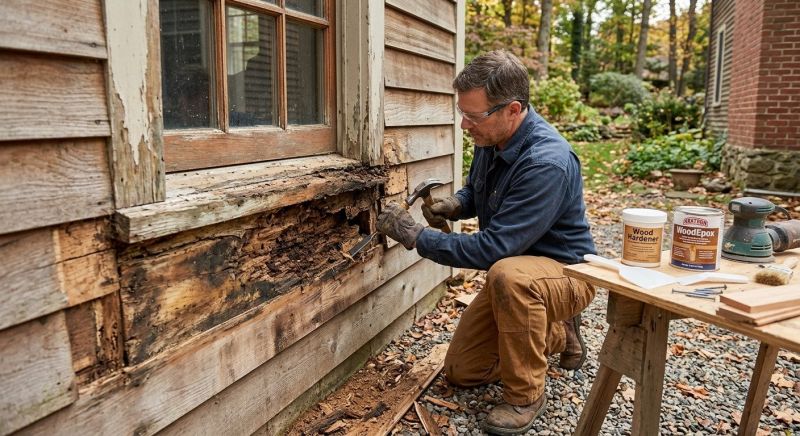
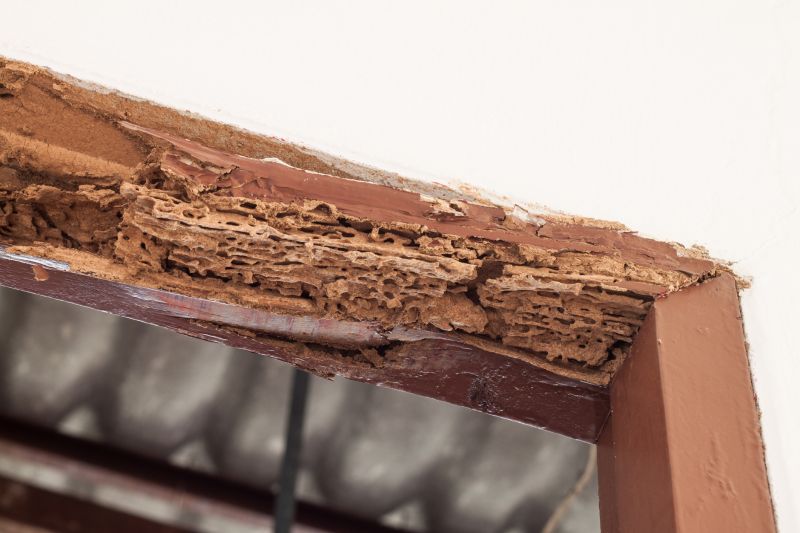
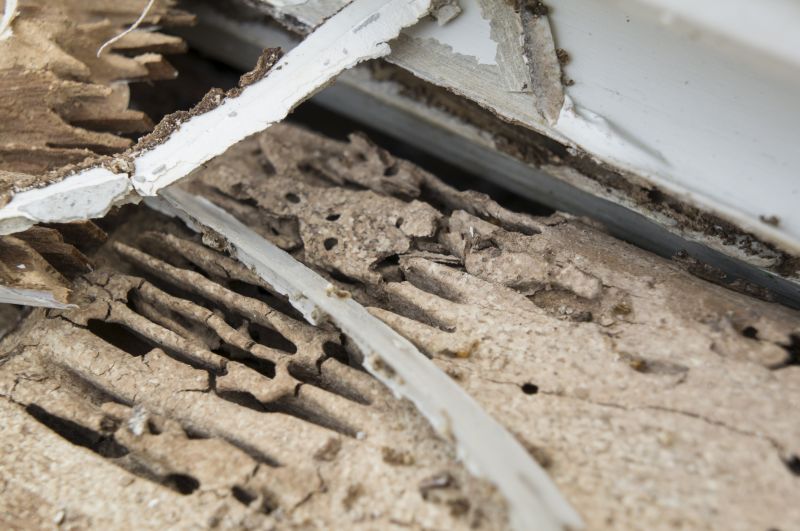
Visible rot, soft spots, and discoloration indicate potential wood decay issues in structures.
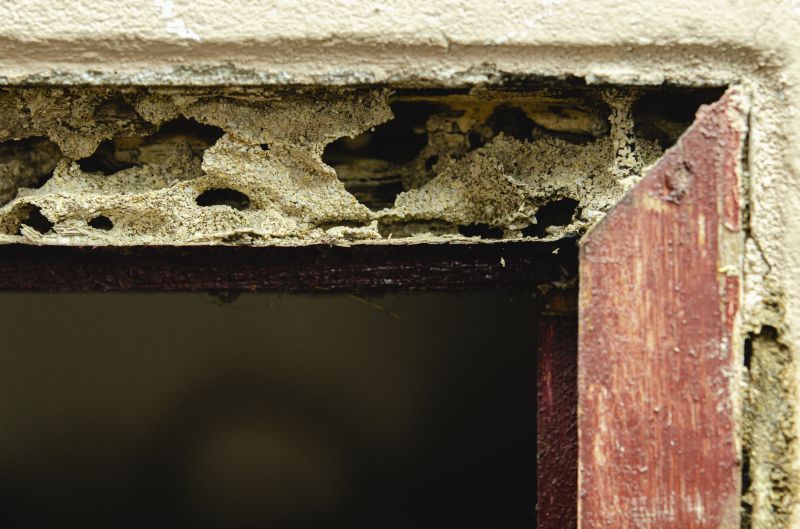
Common Causes Of Decay
Excess moisture, poor ventilation, and wood exposure to the elements contribute to decay in residential properties.
Preventive Maintenance Tips
Regular inspections, proper drainage, and timely repairs help protect wood components from decay in denver county homes.
Wood Decay Removal in Denver County, CO
Wood decay removal services focus on identifying and eliminating areas of compromised or rotting wood in residential properties. This service typically covers projects such as treating damaged fascia boards, soffits, decks, fences, and porch structures, as well as addressing wood that has been affected by moisture, fungi, or pests. Property owners usually seek this service to preserve the integrity of their structures, prevent further deterioration, and maintain the safety and appearance of their homes.
Before requesting wood decay removal, homeowners often want to understand the extent of the damage, the methods used for removal and treatment, and whether affected wood needs to be replaced or can be salvaged. It’s also helpful to know about the causes of decay, such as moisture intrusion, to prevent future issues. Proper assessment and professional advice can ensure that the necessary repairs are effective and that the property remains structurally sound.
Many property owners in Denver County, CO look into Wood Decay Removal for repairs, replacements, upgrades, and appearance-related improvements.
Common Wood Decay Removal Jobs
Wood Decay Removal - Removes rotted wood to prevent further structural damage.
Fungal and Mold Cleaning - Eliminates mold and fungi that contribute to wood decay.
Damaged Wood Replacement - Replaces compromised wood to restore stability and safety.
Surface Treatment - Applies protective coatings to inhibit future decay.
Inspection and Assessment - Identifies areas affected by decay and recommends appropriate action.
Preventative Maintenance - Offers strategies to reduce the risk of future wood deterioration.
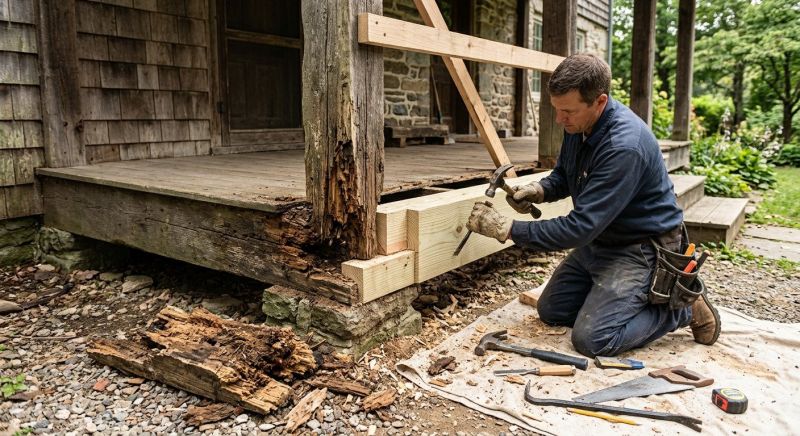
Wood Decay Removal Questions
What causes wood decay in structures? Wood decay is typically caused by moisture exposure, which promotes fungal growth that breaks down the wood fibers.
How can I tell if my wood has decay? Signs include soft, spongy areas, discoloration, and visible mold or rot on the wood surface.
What types of wood are most vulnerable to decay? Softwoods like pine, cedar, and spruce are more susceptible to decay when exposed to moisture over time.
Is removal necessary for wood decay? Yes, removing decayed wood helps prevent further damage and prepares the area for repairs or replacement.
Request Wood Decay Removal in Denver County, CO
Use the quote form on this page to share the basics of your project and request more information for the type of work you need.