Dry Rot Remediation in Denver County, CO
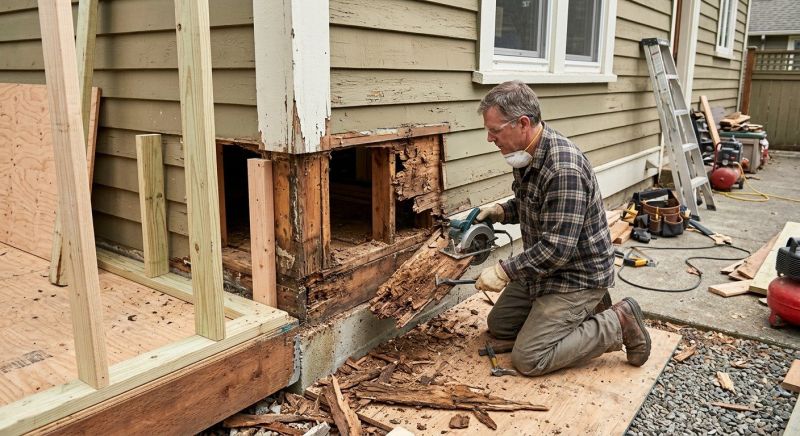
Dry rot remediation services address the detection and removal of wood decay caused by certain types of fungi that thrive in moist environments. These services typically cover projects involving damaged framing, beams, flooring, and other structural wood components within residential properties. Property owners often seek assistance when they notice signs of wood softening, discoloration, or a musty odor, especially in areas prone to excess moisture such as basements, crawl spaces, or attics. Before requesting remediation, it is helpful to understand the extent of the damage, the underlying moisture issues contributing to the rot, and the scope of repairs needed to restore structural integrity.
Proper dry rot remediation involves not only removing affected wood but also addressing the moisture sources to prevent future problems. Homeowners should inquire about the process of identifying and eliminating moisture issues, the types of materials used for repairs, and the potential need for additional measures such as ventilation improvements or waterproofing. Understanding these aspects can help property owners make informed decisions about restoring their property’s safety and stability after wood decay has been identified.
Many property owners in Denver County, CO look into Dry Rot Remediation for repairs, replacements, upgrades, and appearance-related improvements.
Identifying Dry Rot Damage
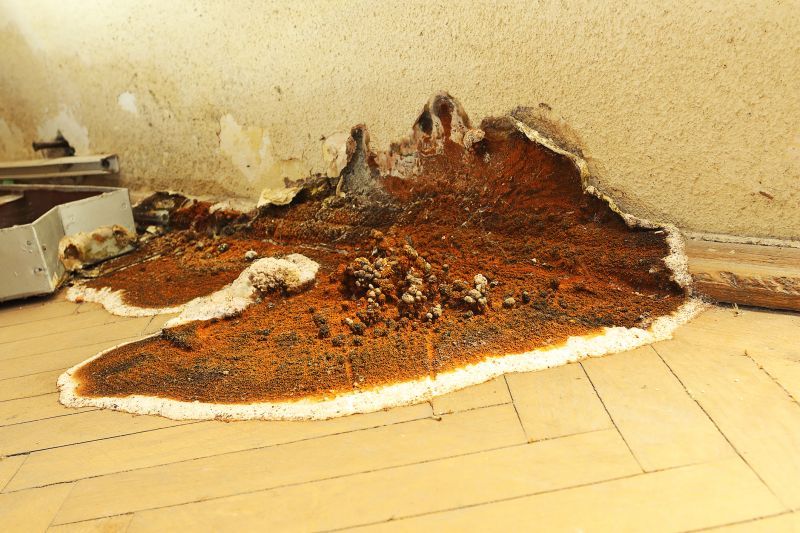
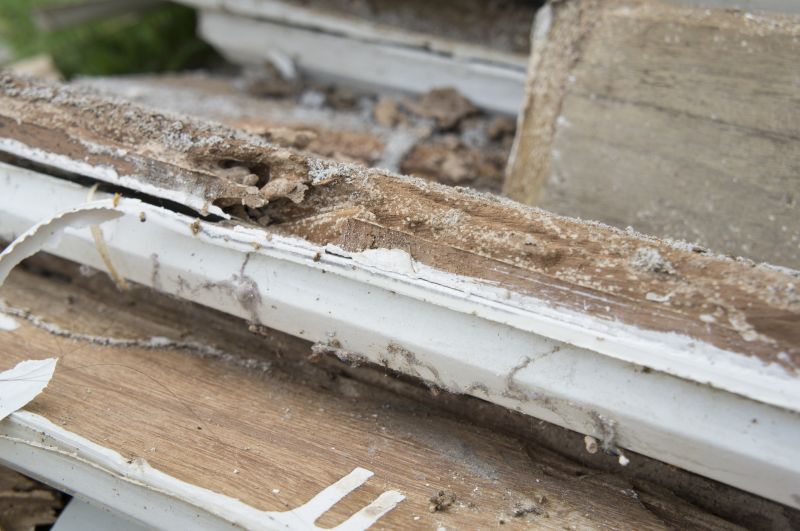
Dry rot often appears as decayed wood with a musty odor and can weaken structural components.
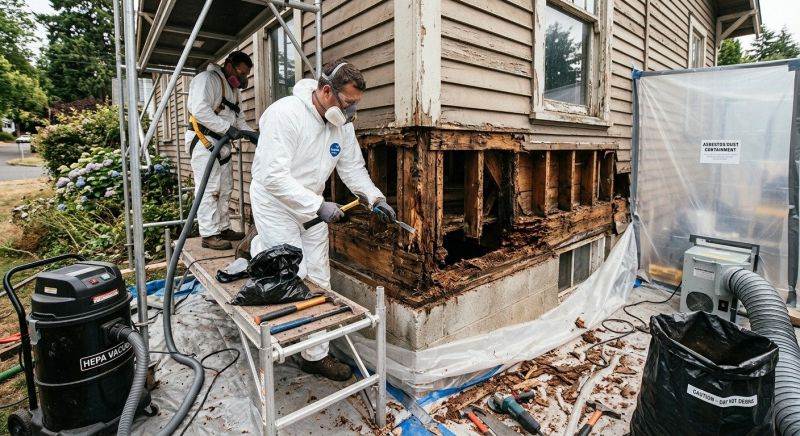
Remediation Techniques
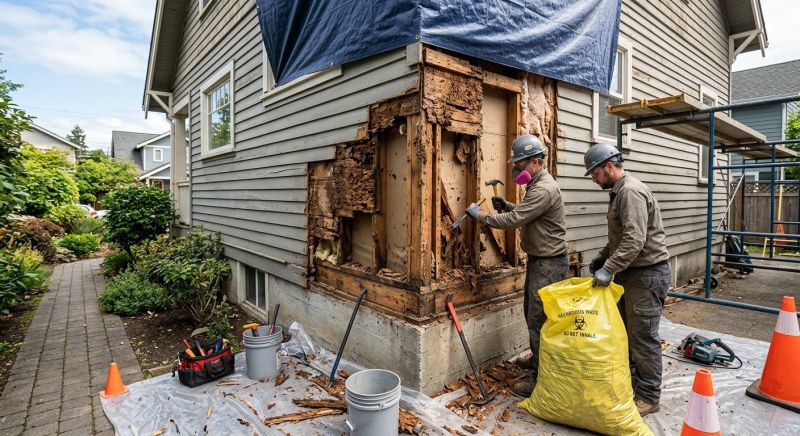
Effective dry rot removal involves removing affected wood, treating the area, and preventing future growth.
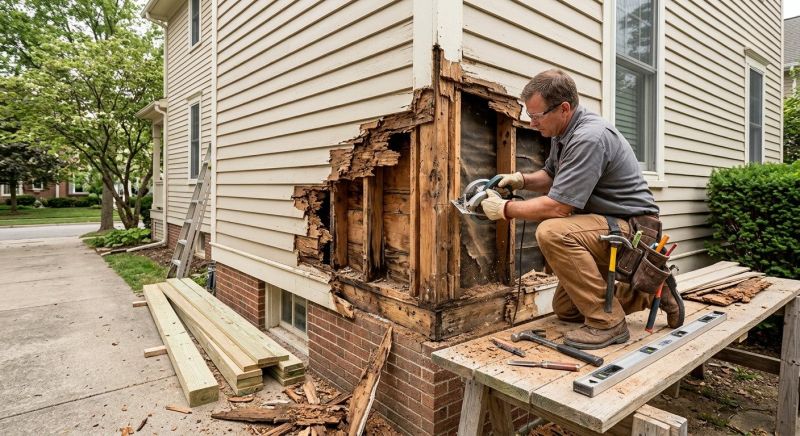
Preventive Measures
Proper ventilation, moisture control, and regular inspections help protect properties in denver county from dry rot issues.
Dry Rot Remediation in Denver County, CO

Dry rot remediation services address the detection and removal of wood decay caused by certain types of fungi that thrive in moist environments. These services typically cover projects involving damaged framing, beams, flooring, and other structural wood components within residential properties. Property owners often seek assistance when they notice signs of wood softening, discoloration, or a musty odor, especially in areas prone to excess moisture such as basements, crawl spaces, or attics. Before requesting remediation, it is helpful to understand the extent of the damage, the underlying moisture issues contributing to the rot, and the scope of repairs needed to restore structural integrity.
Proper dry rot remediation involves not only removing affected wood but also addressing the moisture sources to prevent future problems. Homeowners should inquire about the process of identifying and eliminating moisture issues, the types of materials used for repairs, and the potential need for additional measures such as ventilation improvements or waterproofing. Understanding these aspects can help property owners make informed decisions about restoring their property’s safety and stability after wood decay has been identified.
Many property owners in Denver County, CO look into Dry Rot Remediation for repairs, replacements, upgrades, and appearance-related improvements.
Common Dry Rot Remediation Jobs
Dry Rot Repair - addresses damaged wood caused by fungal decay to restore structural integrity.
Structural Reinforcement - stabilizes weakened framing and supports to prevent further deterioration.
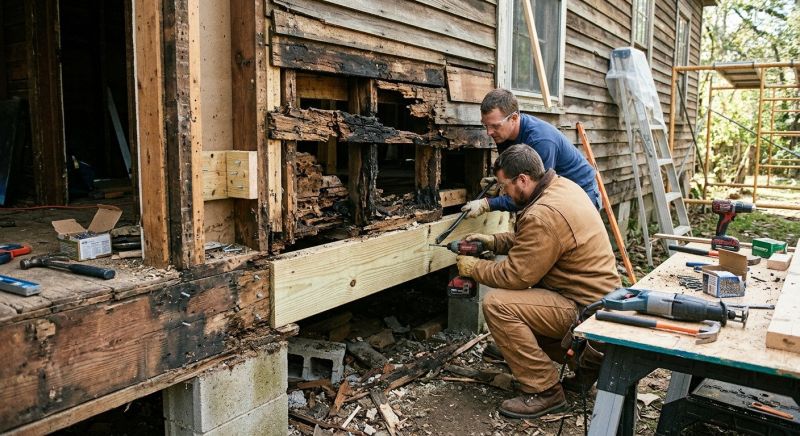
Wood Replacement - involves removing and replacing compromised timbers to ensure safety.
Moisture Control - implements measures to reduce humidity and prevent future dry rot growth.
Inspection Services - identifies affected areas and assesses the extent of dry rot damage.
Preventative Treatments - applies solutions to inhibit fungal growth and protect against future issues.
Dry Rot Remediation Questions
What is dry rot remediation? It is the process of identifying and removing dry rot fungi from affected areas to prevent further damage to the structure.
How can I tell if my property has dry rot? Signs include spongy wood, discoloration, and a musty odor in affected areas.
What types of projects typically require dry rot remediation? Common projects involve repairing decayed wood in foundations, beams, and framing structures.
Why is prompt dry rot removal important? Early removal helps prevent structural deterioration and costly repairs later on.
Request Dry Rot Remediation in Denver County, CO
Use the quote form on this page to share the basics of your project and request more information for the type of work you need.